This report focuses on Erenhot (Erlianhot) in Inner Mongolia, located near the China–Mongolia border.
Purpose of this report
Erenhot (official Chinese name: Erlian) is a unique, beautiful, and charming city in northern China. Its importance derives almost entirely from its geographical location, which makes it a key gateway between China and Mongolia.
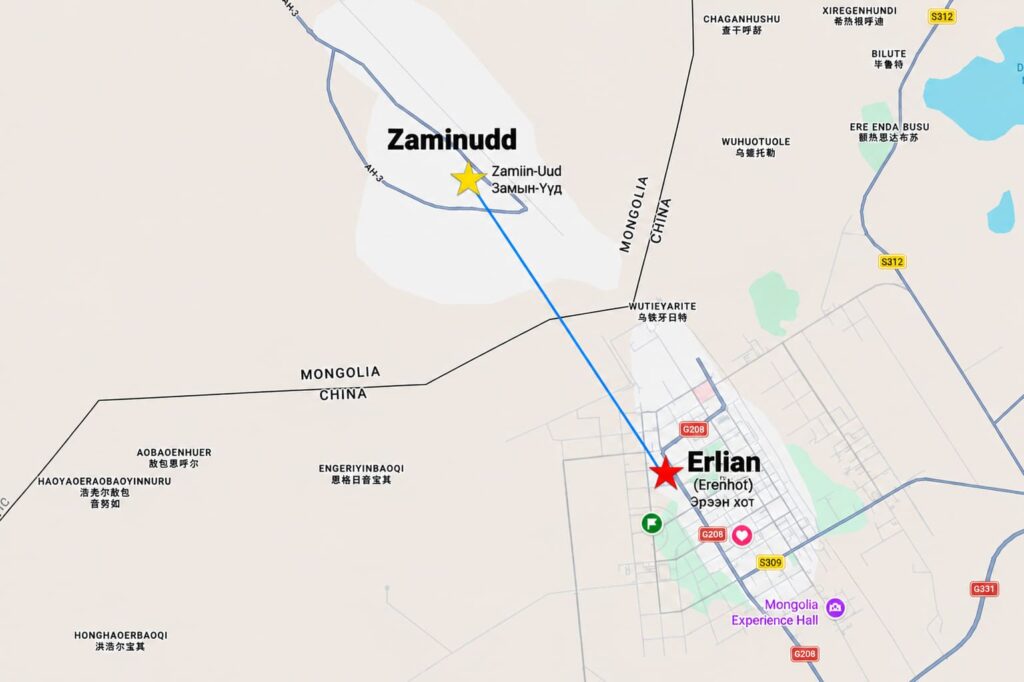
[Map from Ulaanbaatar to Erenhot]
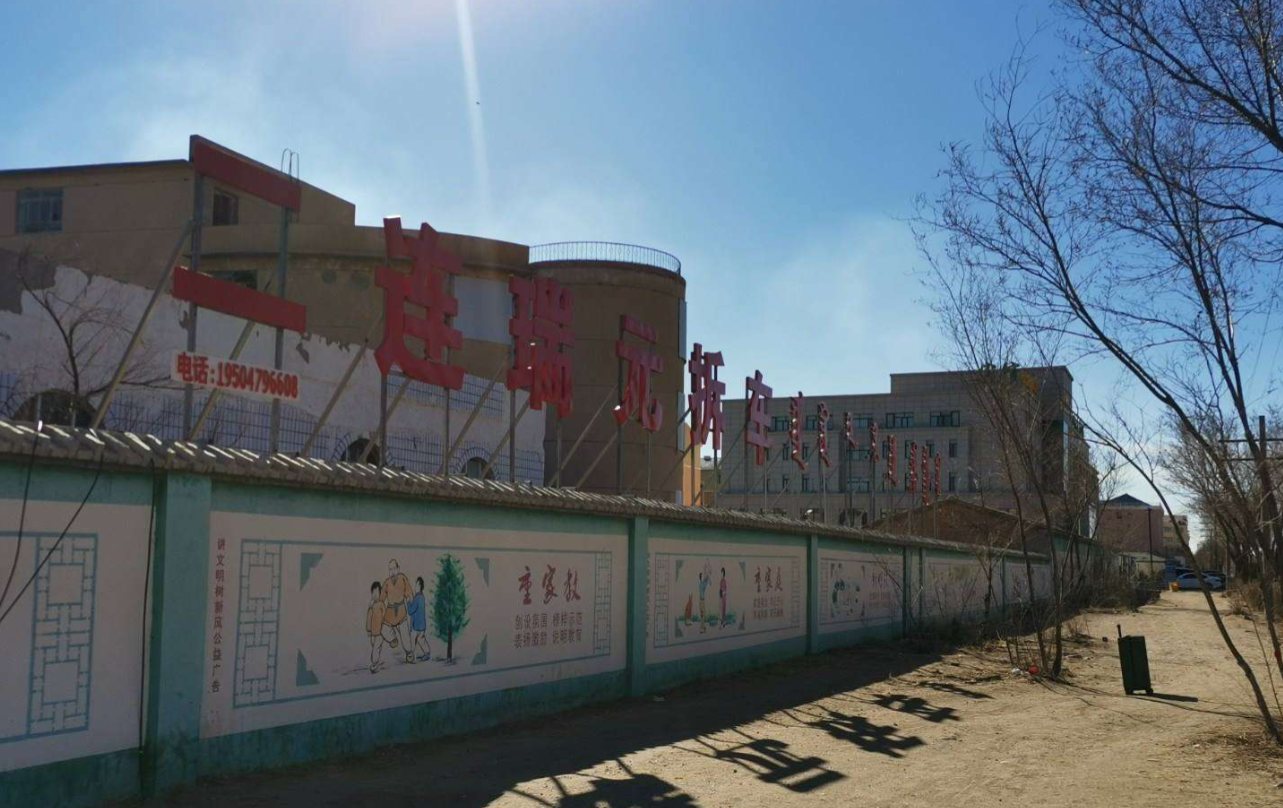
Erenhot (Eren-hot) is a grassland area adjacent to the desert, located in northern China along the border with Mongolia. It consists of unique and charming small towns and residential areas.
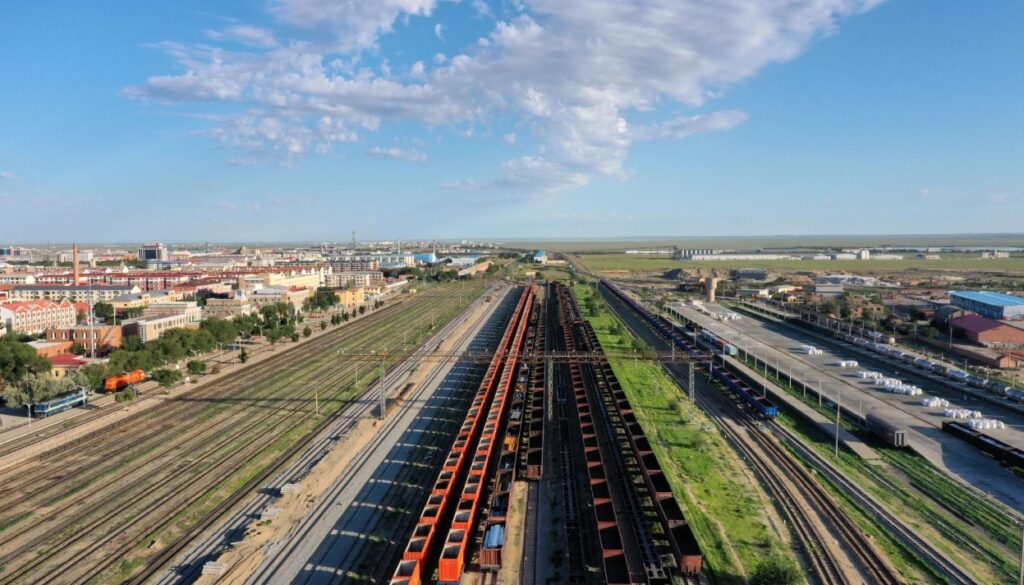
image: 集二铁路贲红至二连浩特段能力补强工程全线开通 中铁十局承建|铁路_新浪财经_新浪网
The importance of this area derives almost entirely from its geographical location. It has become an important gateway connecting China and Mongolia. Since ancient times, it has been loved by some Chinese and Mongolian people as a transit stop. Completely different from major cities like Beijing or Shanghai, this area — largely occupied by vast natural landscapes — makes people truly feel they have arrived in China’s most remote frontier.
Erenhot has bus and railway routes from China to Mongolia and from Mongolia to China. Cross-border travel takes about 20 minutes. From Erenhot, roads to cities like Beijing are also open, and trains via Mongolia can reach Russia directly.
As a transportation hub connecting China and Mongolia, Erenhot holds untapped potential and has a fascinating geographical environment. It is worth noting that due to economic sanctions against Russia, this region has not only become a transit point for trade with Russia but has also attracted large amounts of capital flowing into Mongolia and China. Erenhot is already well-positioned to develop not only tourism but also a trade transit hub in the future.
This real estate report will analyze the unique charm and future development potential of this small transit hub — Erenhot — in three parts.
Part 1. Erenhot, China: Introduction (Purpose of this report)
Part 2. Erenhot, China: Real Estate Information – Railway Station, Bus Station, Central Area
Part 3. Erenhot, China: Wind Power Project
[Overview of China’s Inner Mongolia and Erenhot]
First, let me summarize what kind of region Inner Mongolia is, and an overview of Erenhot.
History and Overview of Inner Mongolia
Inner Mongolia is located in northern China. Its history goes back a long way, to the pre-Christian era. Looking out across the vast grasslands, there were once cattle, horses, sheep, and nomadic peoples living there for a long time.
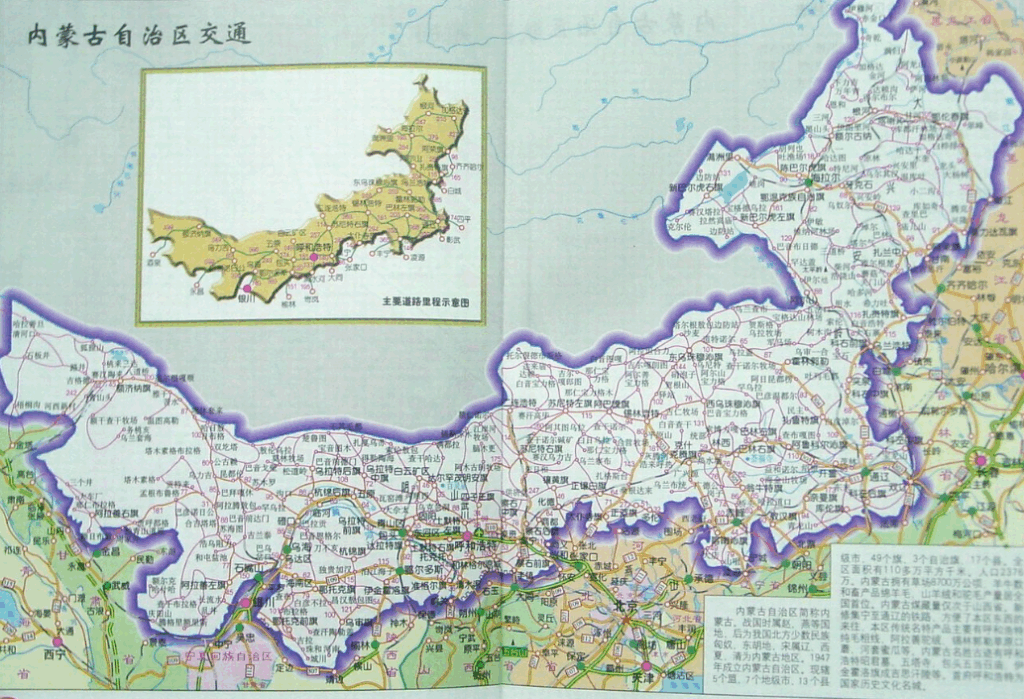
In the 13th century, Genghis Khan established the Mongol Empire, ruling over a vast area of Eurasia. At that time, Inner Mongolia was also part of the Mongol Empire. However, from the 17th century onward, it came under the rule of the Qing Dynasty and became Chinese territory.
Since then, the farming culture of the Han Chinese and the nomadic culture of the Mongols have met here. Although there were occasional conflicts, trade between China and Mongolia became increasingly developed. After Mongolia became independent in the early 20th century, Inner Mongolia remained within Chinese territory and has continued to exchange with Mongolia.
image:モンゴルと中国の貿易額は166億ドルを超えた – モンゴル情報
| Currently, trade volume between China and Mongolia is growing rapidly. In 2024, trade volume reached 19 billion US dollars, compared to 16.6 billion US dollars in 2023. Compared to 33.6 million US dollars in 1993, this trade volume has increased fourfold over five years, and more than tenfold over ten years. |
Although relations between China and Mongolia occasionally experience tensions due to differences in language and culture as well as land development and utilization issues, the economic cooperation between the two sides is continuously strengthening, supported by deep historical and cultural ties and a long shared border.
As a key component of China’s multi-ethnic composition, Inner Mongolia not only symbolizes the diverse forms of China’s economic power but also plays an irreplaceable hub role in connecting the China-Mongolia-Russia trade corridor.
Historical Development of Erenhot
The name “Erlian” originates from two salt lakes located about 8 kilometers from the city — Eren Nur (Mongolian: Эрээн нуур). “Eren” in Mongolian means “colorful” or “shimmering.” The Chinese name “Erlian” is a phonetic approximation of “Eren” and gradually became the place name for this area.
Eren Nur (Erlian Salt Lake)
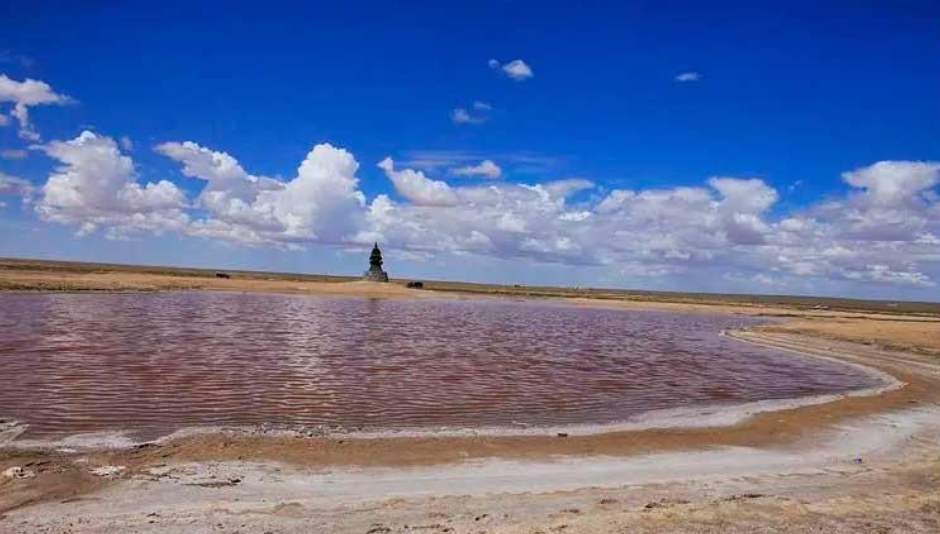
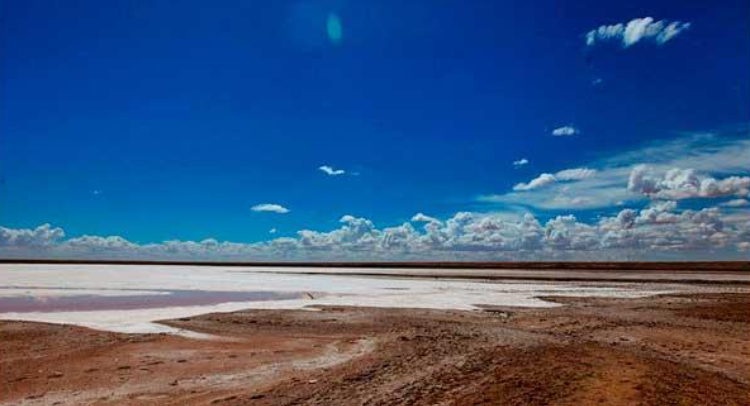
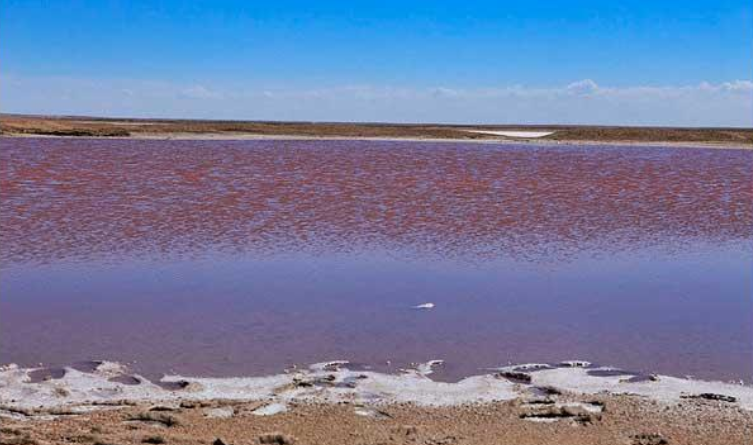
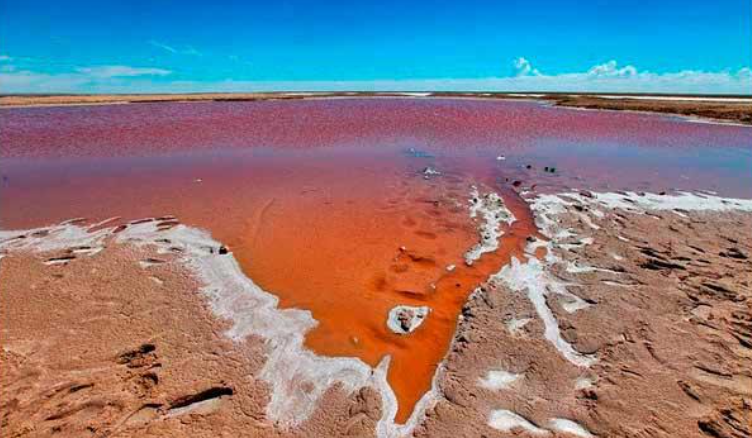
images:二连盐湖天上景 – 草原時光
According to relevant research, the Erenhot salt lake area was once a vast ocean about 60 to 70 million years ago. Today, only a highly saline lake called Erenhot Salt Lake remains.*1
This area preserves exceptionally well-preserved Late Cretaceous shale layers, originating from sand and mud deposits of ancient rivers and lakes. Beneath this ancient land lies a vast prehistoric world, where a large number of dinosaur and other reptile fossils have been sleeping. In 1985, the excavation of a dinosaur fossil shocked the academic community — this was Nuoerosaurus (Nuoerlong), whose massive body could reach 25 meters in length, making it a giant of the dinosaur era. This discovery further solidified Erenhot’s reputation as a “fossil treasure house.”

The Nuoerosaurus fossil discovered here was identified as dating back to the Cretaceous period, approximately 130 million years ago. Many dinosaur specimens unearthed in Erenhot are regarded as having extremely high academic value.*2
| In an era of rapid urbanization, Erenhot once promoted a “dinosaur culture” brand, erecting dinosaur sculptures and a dinosaur museum to enhance the city’s appeal. Although the momentum has since diminished somewhat, we still hope to see more impactful and grand projects that would more closely connect this city with its prehistoric heritage. |
On the other hand, local development had also been closely tied to the Erenhot Salt Lake — sodium salt (natural salt) extracted from the lake became an important local product.
In addition to sodium salt, the salt lake is also rich in various minerals and resources such as magnesium, iron, copper, tin, and iodine. Because of this, local trade flourished. Consequently, a series of infrastructure projects aimed at promoting trade between Mongolia and Erenhot have gradually been improved.
reference*1:二连盐湖天上景 – 草原時光
reference*2:历史人文 – 二连特市人民政府
Erenhot as a Connection Between Beijing and Russia
Another remarkable chapter in Erenhot’s history is its development as an important hub for trade between China (Qing Dynasty) and Russia.
In 1689, China (Qing Dynasty) and Russia signed the Treaty of Nerchinsk, the first international trade treaty in modern history. This treaty opened an international trade route that started from Wuyi Mountain in Fujian Province, China, passed through Jiangxi, Anhui, Hunan, Hubei, Henan, Hebei, Shanxi, crossed Inner Mongolia (Hohhot, Erenhot), traversed the Mongolian grasslands, and finally reached Moscow and St. Petersburg.
[Ten Thousand Mile Tea Road · Tea Trade Route]
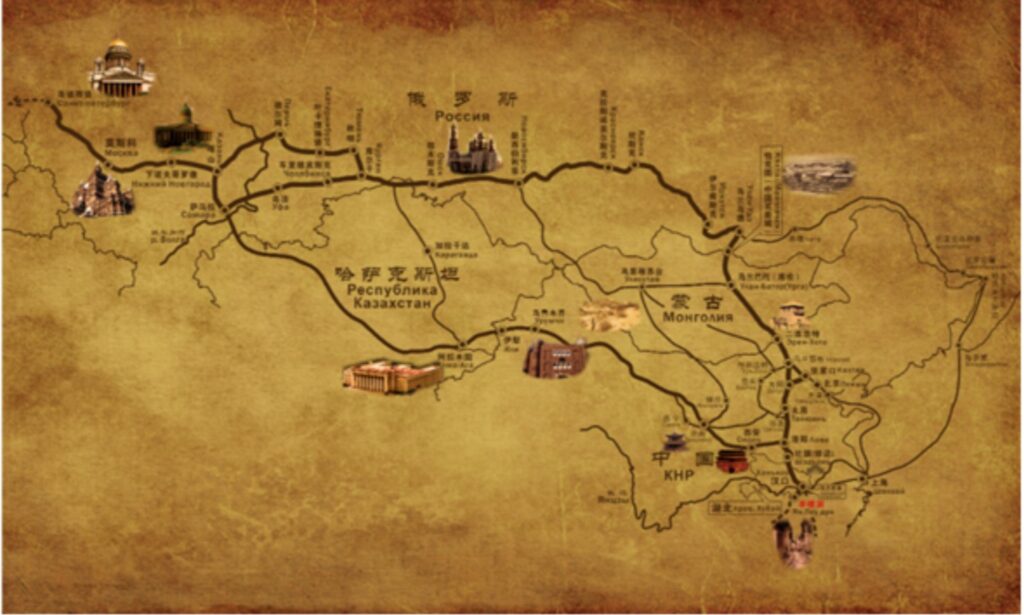
[Trade Between China → Mongolia → Russia]
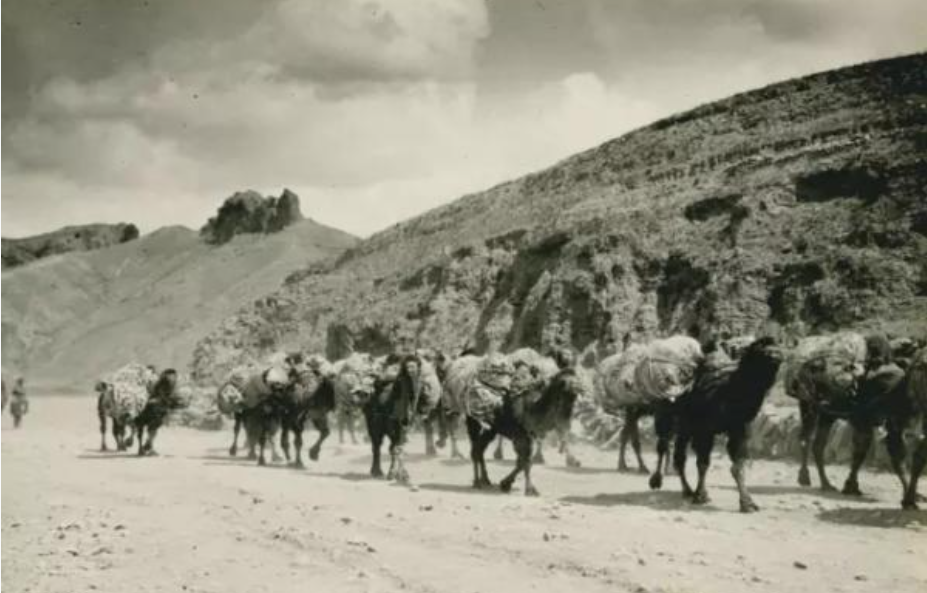
The Ten Thousand Mile Tea Road stretches approximately 14,000 kilometers, making it even longer than the famous Silk Road. In an era without automobiles, the great Shanxi merchant house “Dashengkui” organized 20,000 camels to carry goods along this lengthy trade route.
[Ten Thousand Mile Tea Road · Merchant Town]
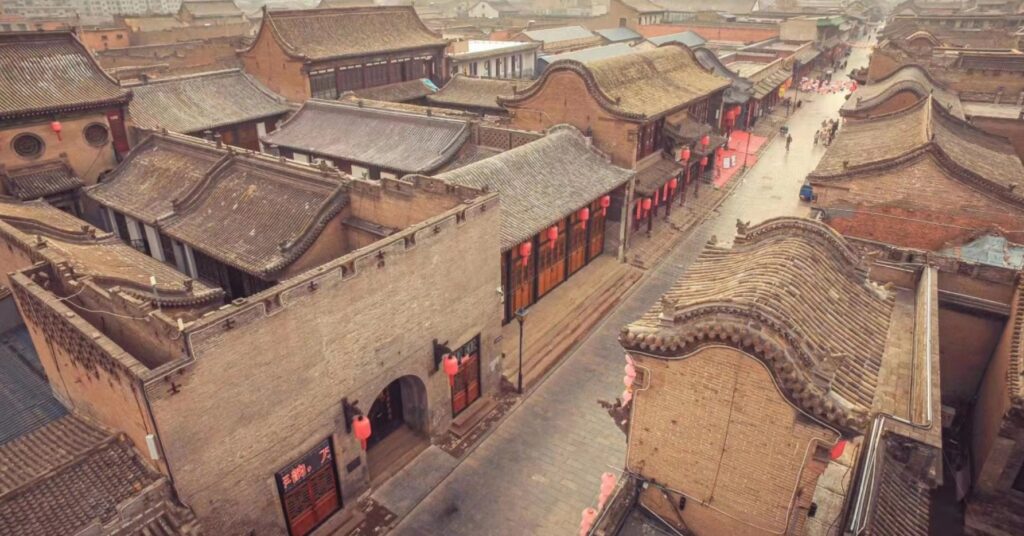
This trade route prospered mainly from the trade of Fujian black tea and Hunan-Hubei dark tea, hence the names “Ten Thousand Mile Tea Road” or “Tea Trade Route.”
It could be said that without Erenhot as the open gateway to neighboring Mongolia, this trade could not have developed. The connection between the Mongolian border and Erenhot has grown increasingly strong over time.
In 1899, the Qing government officially used the name “Erlian” for the first time during the construction of a telephone line project connecting to Ulaanbaatar. By 1918, the motor transport road connecting Erenhot to Mongolia was fully completed.
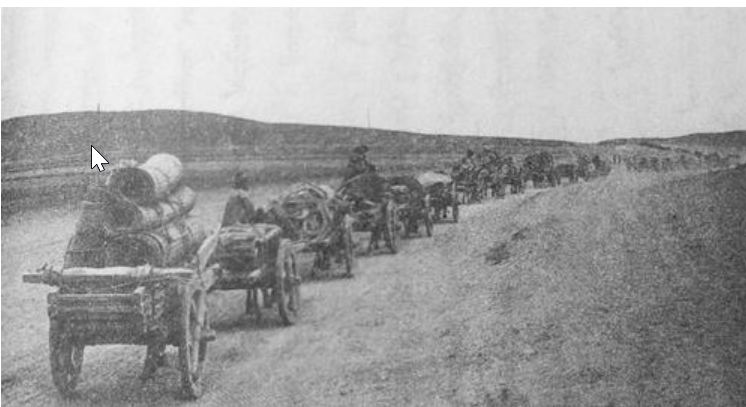
| In 1918, the “Dacheng Zhangku Automobile Company,” founded by Mongolian merchants from Zhangjiakou and industrialist Jing Xueling (courtesy name Benbai : 景学龄(字本白)), officially opened this motor transport route through Mongolian territory. The Erenhot Salt Lake area, located at a strategic point on this route, became an important relay station and was named “Pangbei.” The establishment of this transportation node laid the early foundation for Erenhot’s later development as an important trading port with Mongolia. |
Subsequently, in January 1956, with the opening of the Beijing-Ulaanbaatar-Moscow international railway line, construction progressed around Erenhot Station, developing it into an important border port city. The urban construction at that time formed the prototype of today’s Erenhot.
In April 1956, the Xilingol League officially established Erenhot Town. Then in 1957, it was decided to upgrade Erenhot Town to Erenhot City. Thus, this charming border town completed its administrative establishment process.
Today, in response to ecological and environmental damage that may result from excessive salt mining, various environmental protection measures have been introduced in the surrounding area. The city’s development focus is shifting from dependence on the salt industry to diversified international trade, tourism, and wind power development.
Reference:
Silkloard world Heritage – 万里茶道
Overview of Erenhot City
The following is a summary of the current situation of Erenhot City, based on population statistics provided by the Erenhot City Government (as of January 2025 / end of 2024 fiscal year).
Erenhot City Government Data
[Urban Population Statistics]
Category / Statistic
| Category | Statistic | Category | Statistic |
|---|---|---|---|
| Resident Population | 7.15万人 | Urbanization Rate | 98.6% |
| Urban Population | 7.05万人 | Rural Population | 1000人 |
| Male | 3.7万人 | Female | 3.45万人 |
| Ppulation aged 0ー14 | 9000人 | Population aged 15ー64 | 5.24万人 |
| Population aged 15-59 | 1.01万人 | Registered Household | 3.79万人 |
| Urban Registered | 3.6万人 | Rural Registered | 1.9万人 |
| Annual Births | 2120人 | Annual Deaths | 1820人 |
| Birth Rate | 2.97% | Death Rate | 2.55% |
| Natural Growth Rate | 0.42% |
The population of Erenhot City remains at around 70,000 people. As of the end of the 2024 fiscal year, the total population is approximately 715,000 people. Among this, the registered household (hukou) population of Erenhot City is 37,900 people, with about 47% being residents from outside the city and from abroad.
Thus, although this city is a small city with a sparse population, the proportion of population inflow is quite high.
[2019-2024 Erenhot City Population Change Trend]
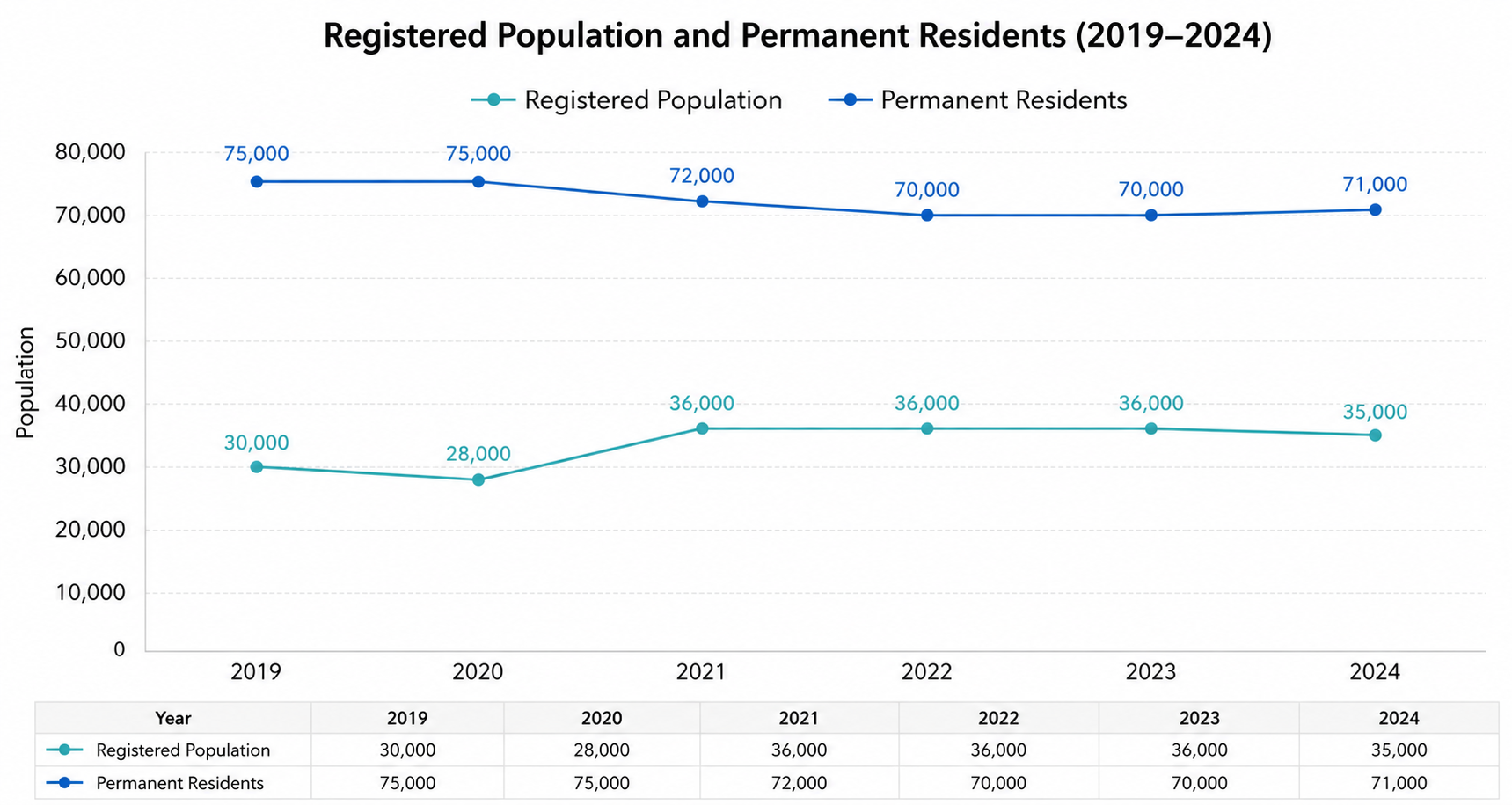
Reference data: Erenhot City Population Data (二连浩特市人口数据 – 红黑人口库)
Thus, although this city is a small city with a sparse population, the proportion of population inflow is quite high.
[2019-2024 Erenhot City Population Change Trend]
In Erenhot, the population scale, which had generally maintained growth since 2010, experienced a noticeable decline between 2021 and 2023. According to statistical data, the trend of population recovery did not begin to emerge gradually until 2024.
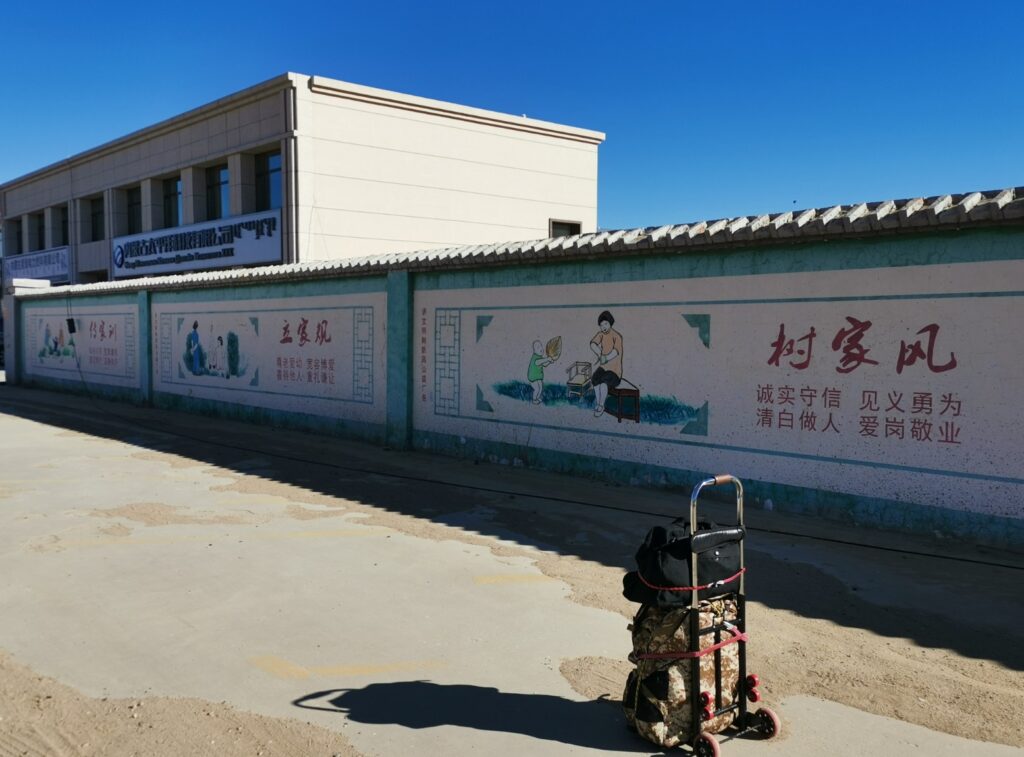

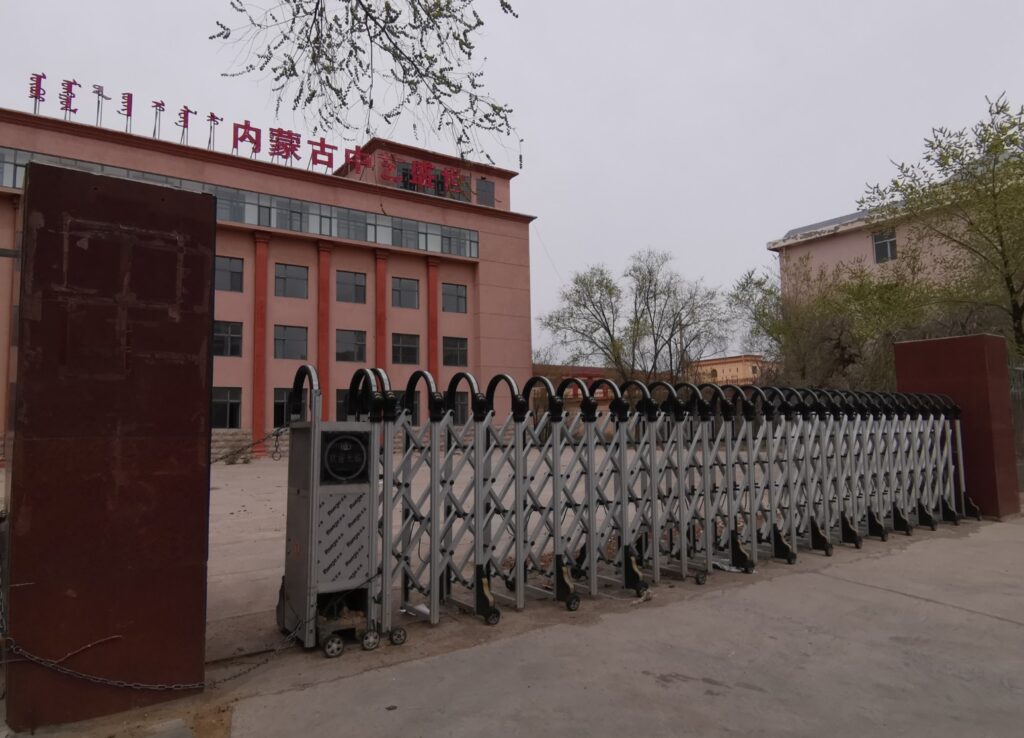
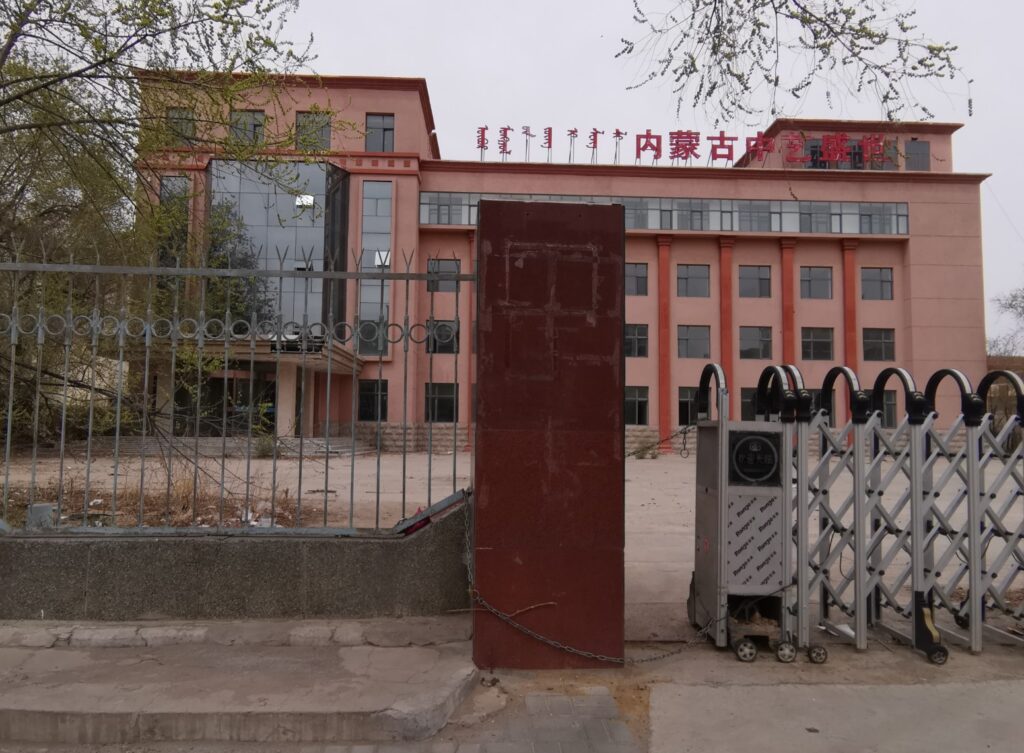

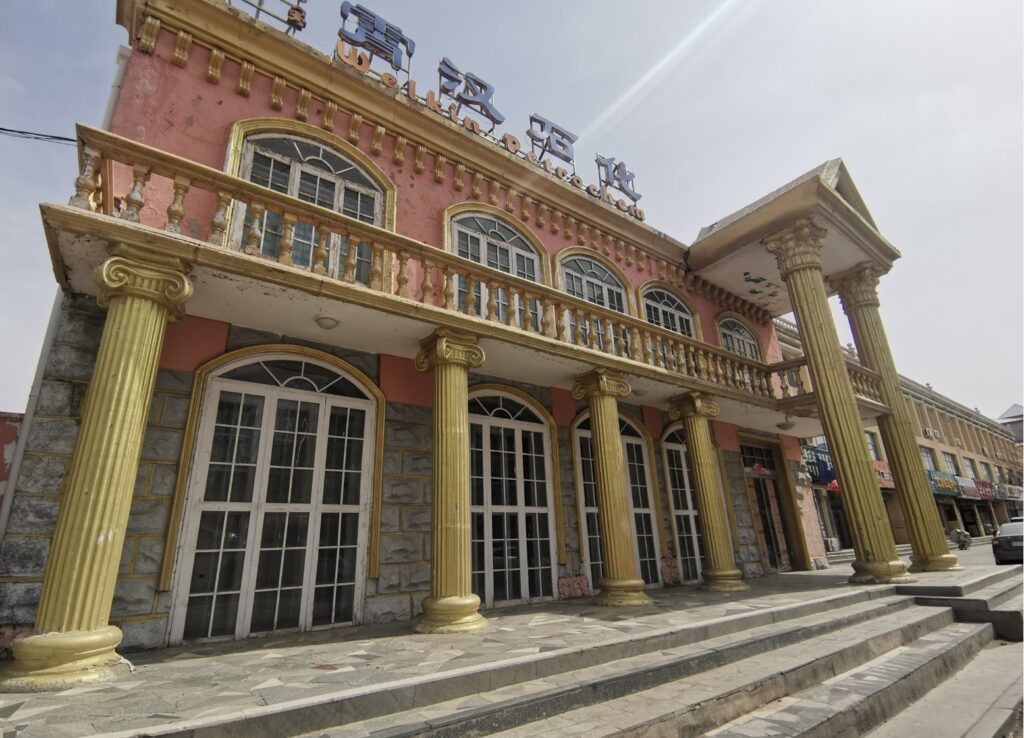
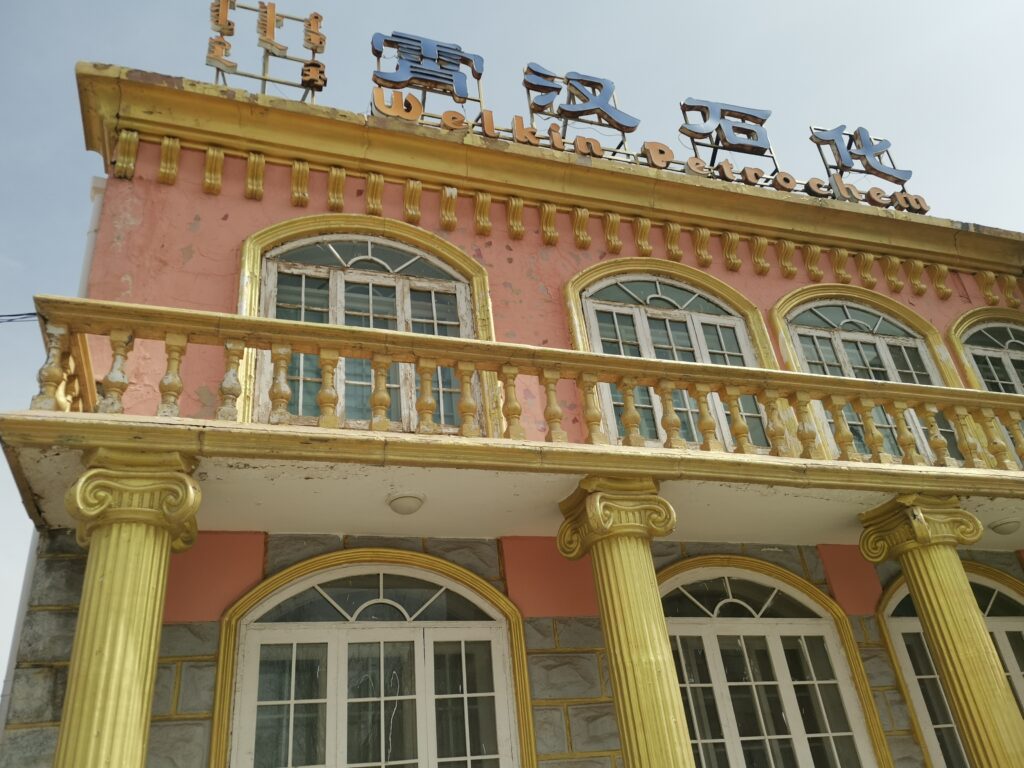
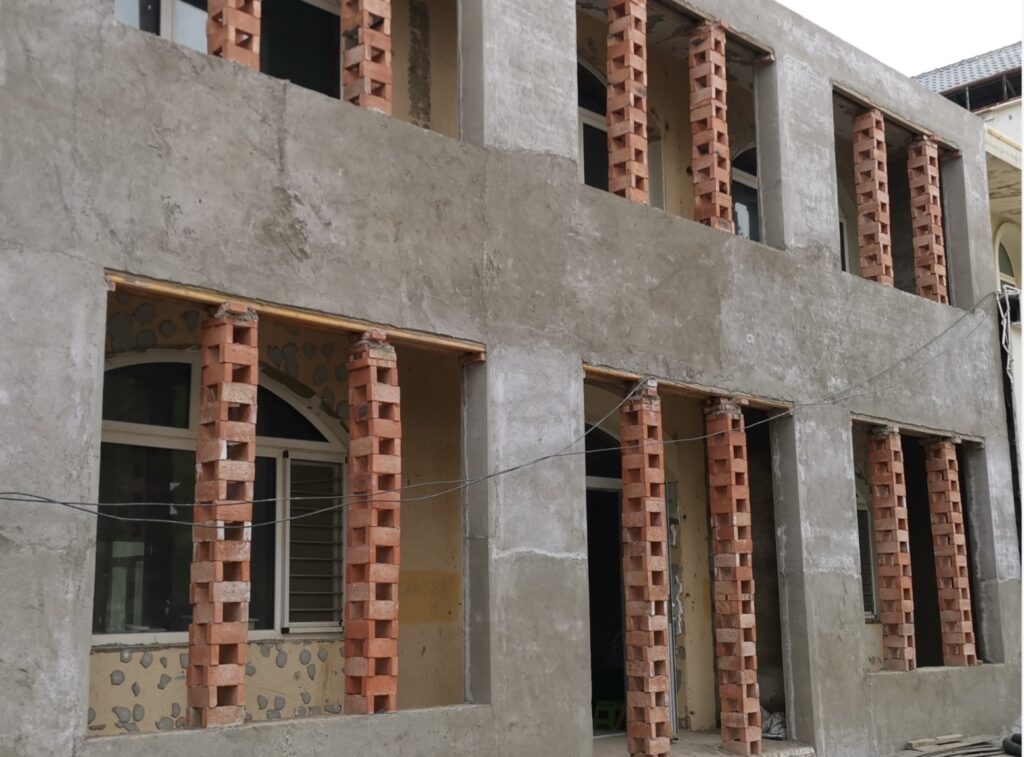
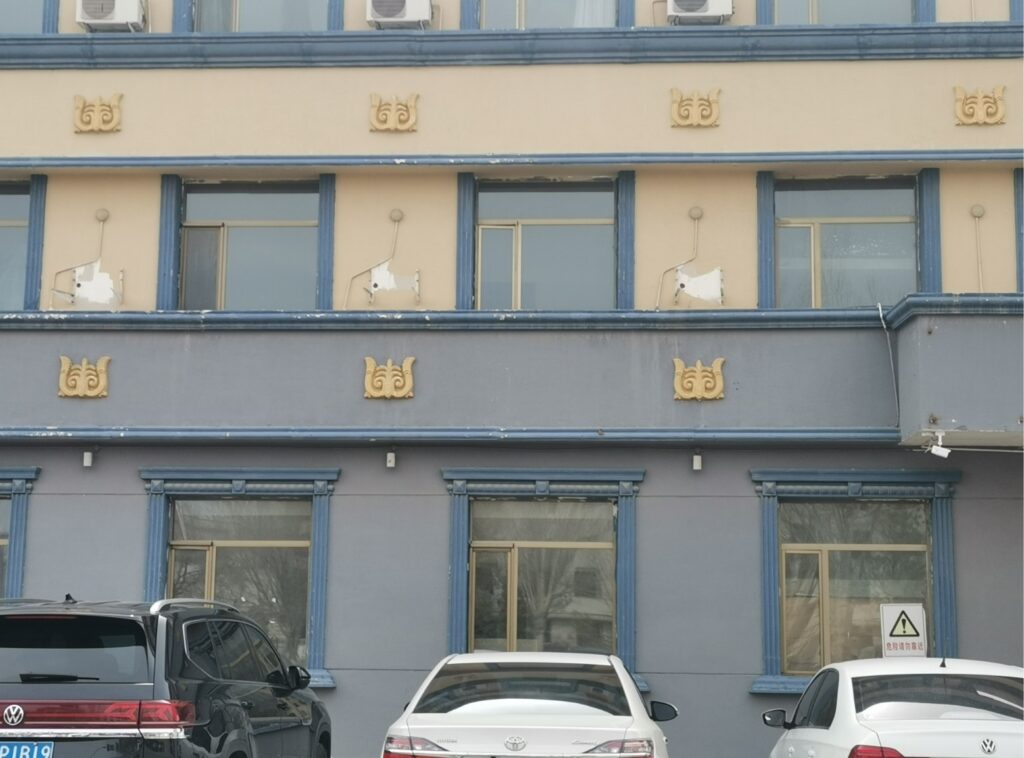
The pace of population recovery in Erenhot was relatively gradual, reflecting the impact that the pandemic period had on population mobility and cross-border exchanges. As a border city between China and Mongolia, Erenhot’s demographic trends are particularly sensitive to regional economic activity and the movement of people.
Based on the statistical data, 2024 marked an important turning point as population trends gradually shifted from a period of adjustment toward recovery, with clear signs of a sustained rebound beginning to emerge.
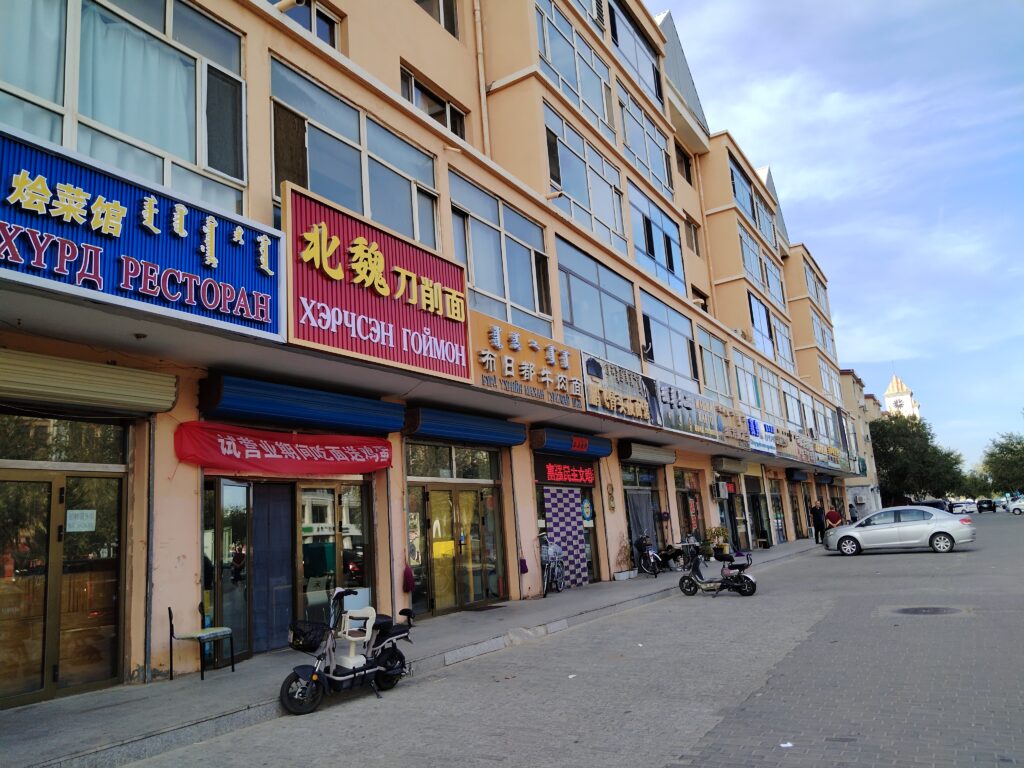
However, Erenhot continues to demonstrate a distinctive demographic vitality. According to official statistics, the number of births has consistently exceeded the number of deaths, allowing the city to maintain positive natural population growth. In addition, its strategic border location and multicultural environment have attracted people from Mongolia and other regions to work, conduct business, and reside in the city.
Compared with many small and medium-sized cities that have experienced sustained population outflows, Erenhot continues to attract a certain level of population inflow while serving as an important hub for regional exchanges and cross-border mobility, reflecting a relatively dynamic demographic profile.
Economy and Industry of Erenhot
The following section examines Erenhot’s economic performance during the first half of 2025.
Supported by national and regional development initiatives, Erenhot has continued to promote industrial upgrading, digital transformation, green development, and regional coordination, achieving steady progress across multiple sectors.
Before examining the economic data, it is useful to understand the key development priorities that have guided these efforts.
Key Development Priorities
Industrial Innovation and Upgrading
- Development of emerging industries such as semiconductors and artificial intelligence
- Modernization of traditional industries
Green Development
- Promotion of low-carbon transformation
- Environmental protection and ecological restoration
Talent Development
- Cultivation of highly skilled and innovative professionals
Digital Transformation
- Acceleration of digital technologies and digitalization
Urban and Rural Development
- Promotion of balanced regional development
- Modernization of urban infrastructure
Improving Quality of Life
- Enhancement of healthcare, education, and social security services
At the same time, a range of reform and market-oriented measures have continued to advance, including efforts to improve the business environment, stimulate market vitality, enhance public services, and strengthen risk management.
Driven by these development priorities, Erenhot has implemented a series of initiatives related to border-port economic development, industrial growth, and infrastructure construction, generating positive economic results.
Economic Overview of Erenhot in the First Half of 2025
During the first half of 2025, Erenhot’s economy maintained a stable growth trajectory. According to the unified GDP accounting results, the city’s gross domestic product (GDP) reached RMB 3.63 billion (approximately JPY 72.7 billion), representing a year-on-year increase of 7.3%.
[GDP by Sector]
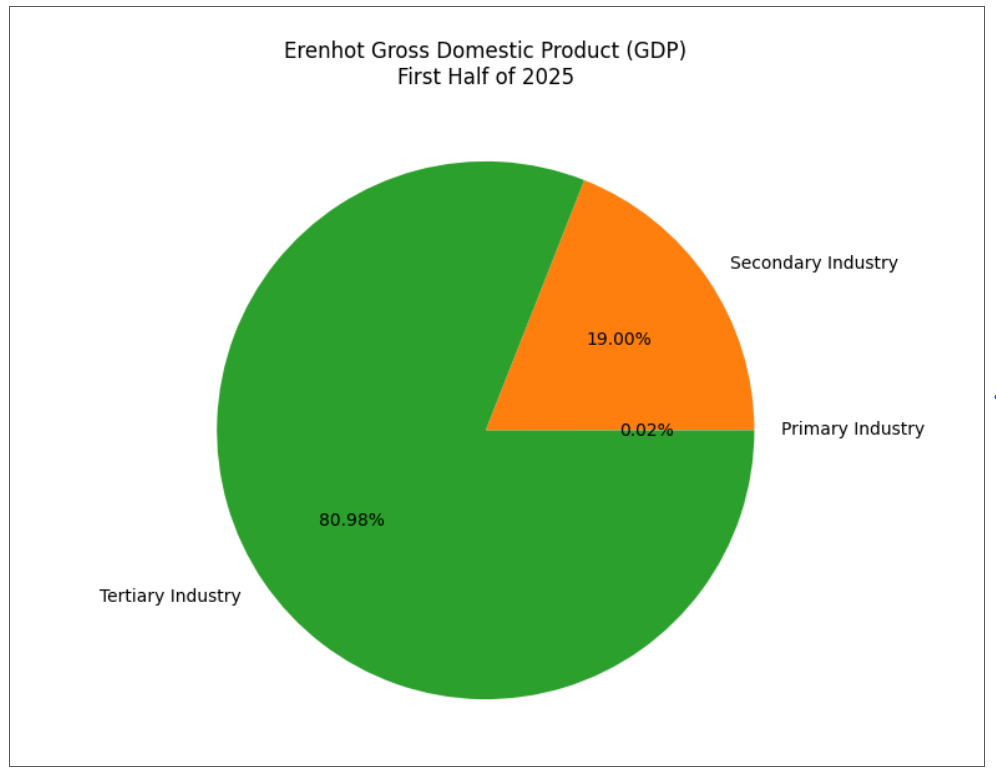
- Primary industry value-added reached RMB 6 million, up 4.6% year-on-year.
- Secondary industry value-added reached RMB 698 million, up 23.6% year-on-year.
- Tertiary industry value-added reached RMB 2.926 billion, up 4.2% year-on-year.
As a border-port city, Erenhot’s primary industry remains relatively small, accounting for less than 1% of GDP. In contrast, the secondary industry recorded strong growth and now accounts for approximately 19% of total output. The tertiary sector—driven primarily by trade, logistics, and consumer services—continues to serve as the main pillar of the local economy, contributing approximately 81% of GDP.
The strong growth of the secondary industry is closely linked to expanding regional trade demand, ongoing infrastructure development, and increasing market demand associated with Mongolia’s urbanization process. A more detailed discussion of Mongolia’s economic development will be provided in a later section. As urban construction and industrial development continue to advance, demand for construction materials, equipment, and skilled professionals has also continued to grow.
[Construction Boom in Mongolia]
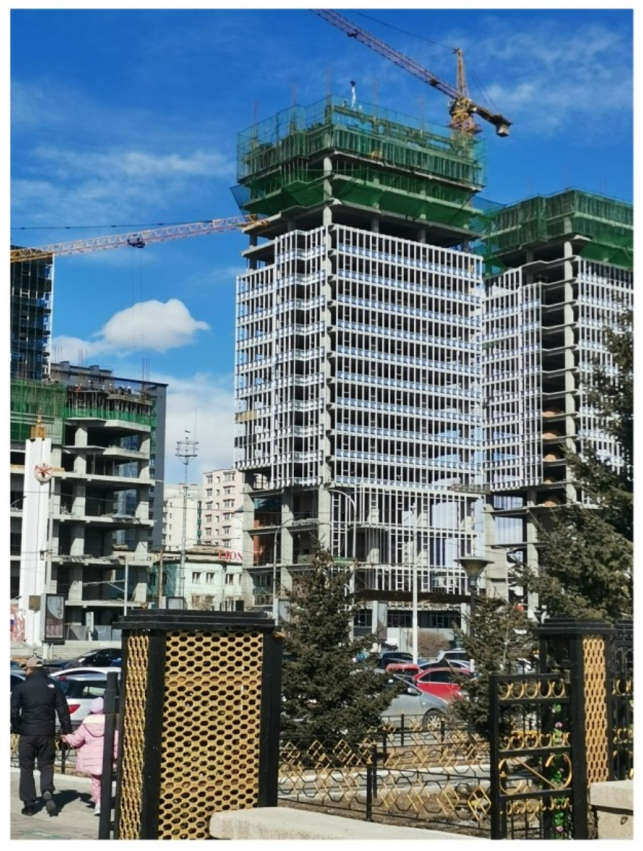
As mentioned in the previous chapter, the tertiary industry occupies a dominant position in Erenhot, mainly due to its function as a transit hub between China and Mongolia. This is reflected not only in attracting domestic and international tourists but also in the sustained consumer demand generated by Chinese workers passing through the city for construction-related work in Mongolia.
Next, we will further analyze the specific areas with the most significant growth momentum among various industries in Erenhot.
Industrial Development Shows Good Momentum
In the first half of 2025, the industrial sector of Erenhot City performed particularly strongly. Among this, the value added of industrial enterprises above a designated size increased by 55.3% year-on-year, and the total industrial output value increased by 35.5% year-on-year.
By ownership type:
- State-controlled enterprises: output value increased by 76.3%
- Collective and private enterprises: output value increased by 34.4%
| According to China’s 2024 government standard, “industrial enterprises above a designated size” refers to industrial enterprises with annual main business revenue of 20 million RMB or more. |
Erenhot City Industrial Output Value
By industry category: light industry output value decreased by 11.7% year-on-year, while heavy industry output value achieved a significant increase of 48.3%.
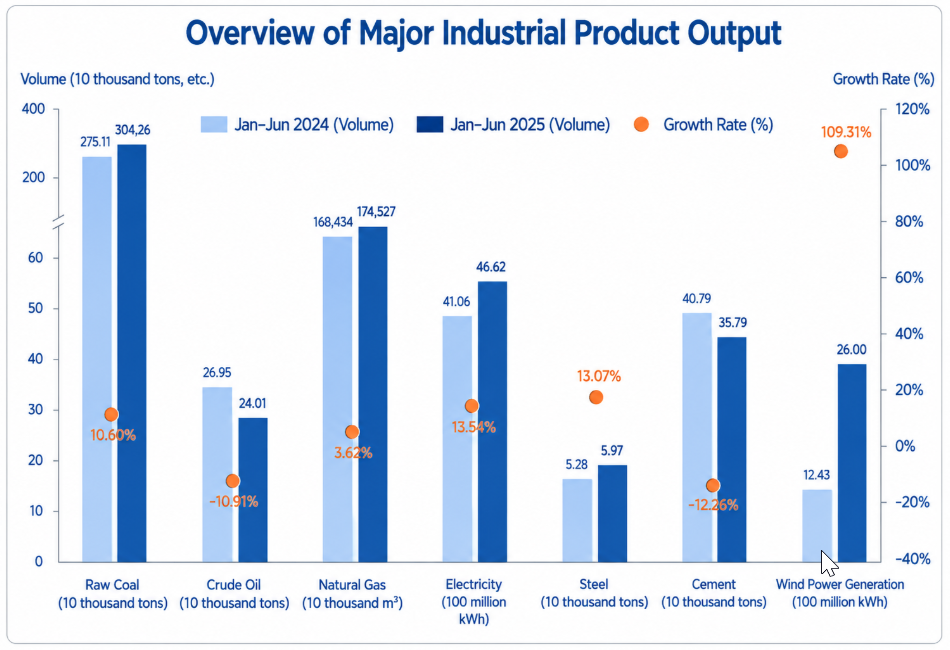
Representative leading products of heavy industry: Wind power generation reached 260 million kilowatt-hours, an increase of 109.31% year-on-year. Solar photovoltaic power generation reached 87 million kilowatt-hours, an increase of 30.94% year-on-year.
[Erenhot Wind Power Project]
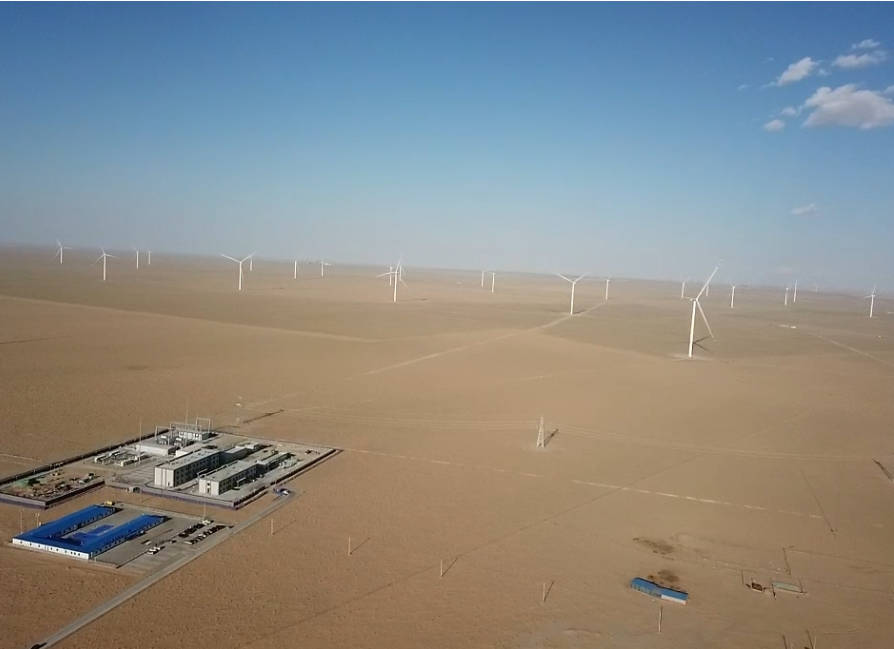
| “Inner Mongolia has one of the largest wind power resources in the country, accounting for about half of the total in China’s land area, according to a post on the website of the State-owned Assets Supervision and Administration Commission of the State Council.” |
This striking comparative data fully demonstrates that the region’s industrial structure is undergoing a dual profound transformation: from light industry to heavy industry, and further from traditional heavy industry to green energy industry. In particular, the doubling of wind power generation signals the rapid rise of a new pillar industry for the regional economy.
Overview of Major Industrial Product Output
Reference :The city’s economic performance in the first half of 2025 ( 2025年上半年全市经济运行稳定向好)
All major industries achieved steady growth.
- Iron concentrate processing: 1,428,700 tons, up 41.13% year-on-year
- Pellet ore output: 366,900 tons, up 185.08% year-on-year
- Fluorite powder processing: 34,900 tons, up 103.76% year-on-year
- Cement output: 116,000 tons, up 61.11% year-on-year
- Total heat supply: 1.7163 million gigajoules, up 11.68% year-on-year
- Refined edible vegetable oil: 5,100 tons, up 9.85% year-on-year
- Feed processing: 14,500 tons, up 31.44% year-on-year
- Frozen meat output: 2,800 tons
[New Steel Processing Plant in Erenhot]
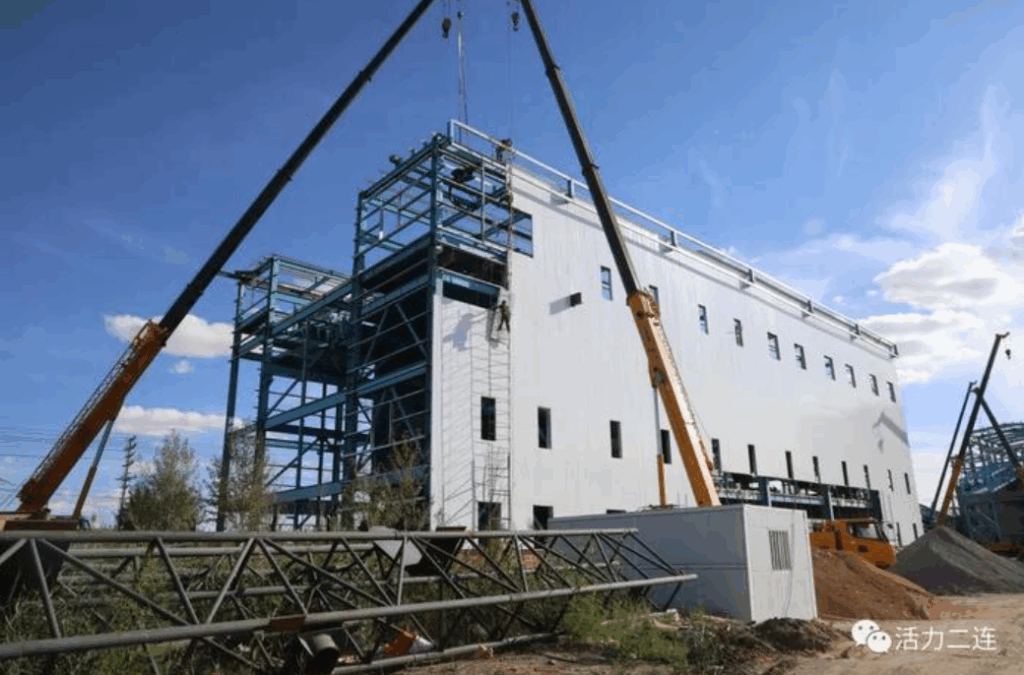
Behind these steady figures, it is clearly reflected that from basic material industries to consumer goods processing, the region’s “supply foundation” is being comprehensively strengthened. In particular, the significant growth in steel and cement output indicates that the “industrial cornerstone” supporting large-scale projects such as construction activities and energy development is increasingly solidifying.
[Increasing construction machinery sellers around Erenhot]
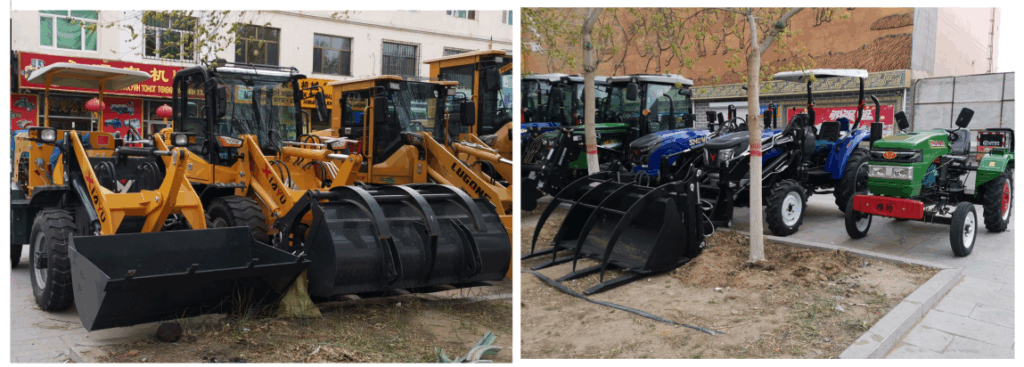
This vibrant production scene highlights the importance of Erenhot Port as an export corridor to the Mongolian market. In this section, we conducted an empirical analysis of the actual situation using Erenhot’s import and export statistics.
Erenhot City Import and Export Cargo Throughput
Regarding the import and export cargo throughput of Erenhot City in the first half of 2025, I have compiled it as follows. Since official statistical data for Erenhot Port could not be found at this time, the following information is primarily translated and compiled based on the Japanese-language materials you provided.
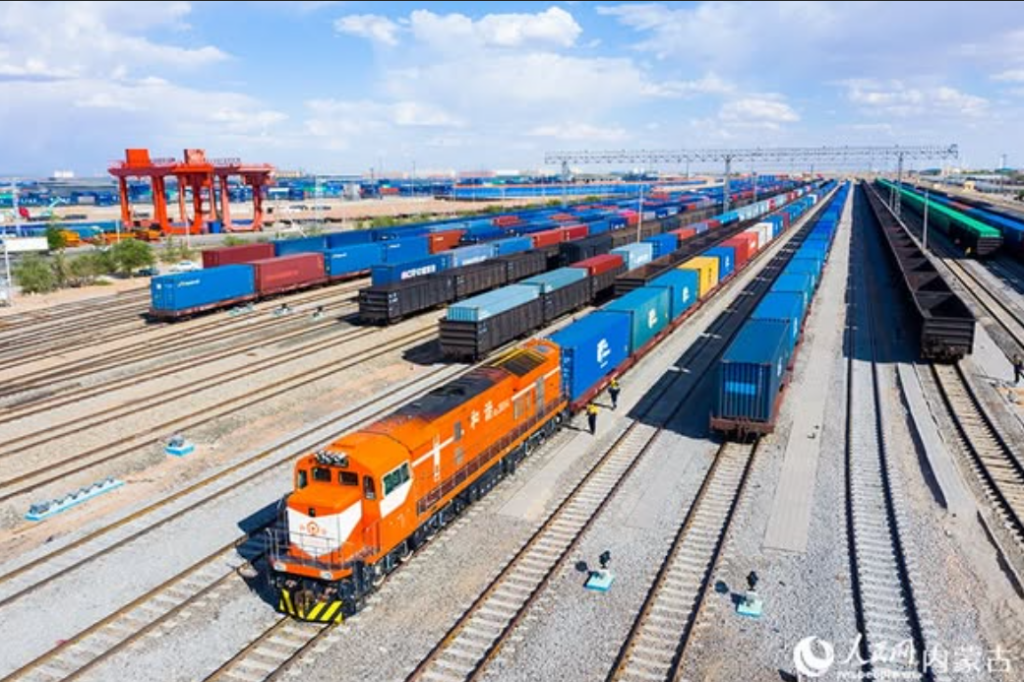
Import and export trade data shows:
- Import value: 10.43 billion RMB (down 3.8% year-on-year)
- Export value: 11.49 billion RMB (approximately flat year-on-year)
Although industrial output and export cargo volume have significantly increased, export value growth remains sluggish. This highlights the development bottleneck that Erenhot City urgently needs to break through.
Industrial Production Volume and Export Value in Erenhot City
In contrast to the growth in industrial production, export value growth remains sluggish. The main influencing factors can be summarized as follows:
- Raw Material Prices: International price fluctuations may limit export value growth despite higher shipment volumes.
- Exchange Rates: Currency movements may affect export competitiveness.
- Transportation Costs: Rising logistics and labor costs continue to pressure profit margins.
Effectively responding to these key factors restricting export value growth will become a core issue for Erenhot City in optimizing its economic structure and improving growth quality.
Next, we will turn our attention to the entry-exit personnel statistics of Erenhot City.
Erenhot City Entry-Exit Personnel Traffic
The total number of people entering and exiting through Erenhot Port reached 1.377 million person-times, an increase of 22.1% compared to the same period last year. Among these, entries were 687,600 person-times (up 22.7% year-on-year), and exits were 689,400 person-times (up 21.5% year-on-year). Entry and exit numbers show a synchronized growth trend, demonstrating a good momentum of continuously increasing port vitality.
Reference: First Half of 2025 City Economic Operation Stable and Improving – Erenhot Municipal People’s Government (2025年上半年全市经济运行稳定向好 – 二连浩特市人民政府)
Future Development Prospects of Erenhot
Between 2021 and 2023, slower population mobility and reduced economic activity led some businesses and commercial facilities to suspend operations temporarily.
As of 2025, a number of large commercial buildings, hotel facilities, restaurants, and other properties remain vacant or underutilized within the city. These assets also reflect that the local economy is still undergoing a period of recovery and structural adjustment.
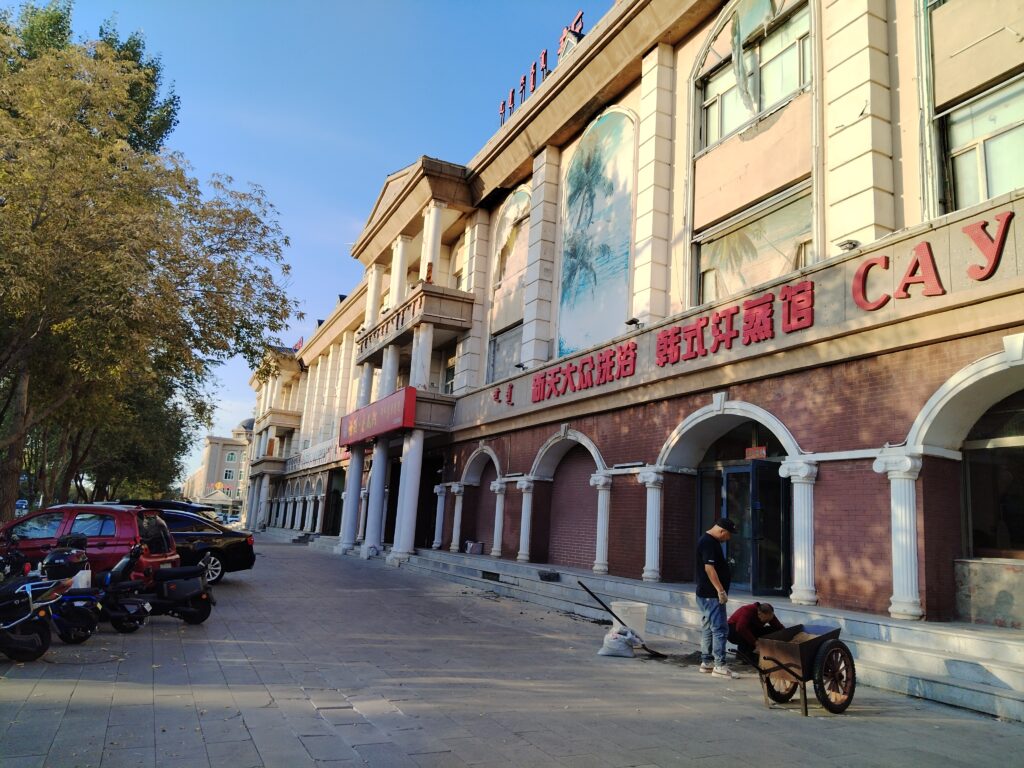
However, according to data released by the Erenhot City Government, local tourism has emerged from the pandemic downturn and achieved significant growth since 2024. By various other indicators, Erenhot City is showing a positive momentum for future economic development.
Mongolia-China Cross-Border Tourism
During the period from January to November 2024, Erenhot City received a total of 2.103 million domestic and international tourists, an increase of 36.7% compared to the same period last year, achieving total tourism revenue of 4.14 billion RMB (approximately 570 million USD). Tourism revenue increased by 40.9% year-on-year.
In recent years, China and Mongolia have continued to deepen tourism cooperation, jointly promoting tourism marketing, product development, and route sharing. In Ulaanbaatar, Chinese tourism products are widely available; in the Inner Mongolia region, Mongolian tourism products can be seen everywhere. By building a cooperation platform for tourism enterprises, both sides are effectively promoting the implementation of a series of support policies.

In June 2024, the two sides jointly launched a cross-border themed motorcycle tourism project called “Ten Thousand Mile Tea Road · Prairie Breeze.” The itinerary lasted 10 days with a total distance of 1,500 kilometers, allowing participants to traverse the Mongolian Plateau and the Gobi Desert, experiencing the cultural and natural landscapes along the route in depth.
The continued development of such innovative themed routes is expected to become an important growth driver for promoting high-quality development of Erenhot’s tourism industry.
Reference: Erenhot City’s tourism revenue reached 4.14 billion RMB (二连浩特市前11个月旅游业收入41.4亿元)
| For example, from August to September 2025, Mongolian tourists visiting China increased sharply. At the Chinese Embassy visa section in Ulaanbaatar, people start lining up at 7:00 am daily, often waiting two hours. Lines are so long that the embassy now issues queue numbers to keep order. |
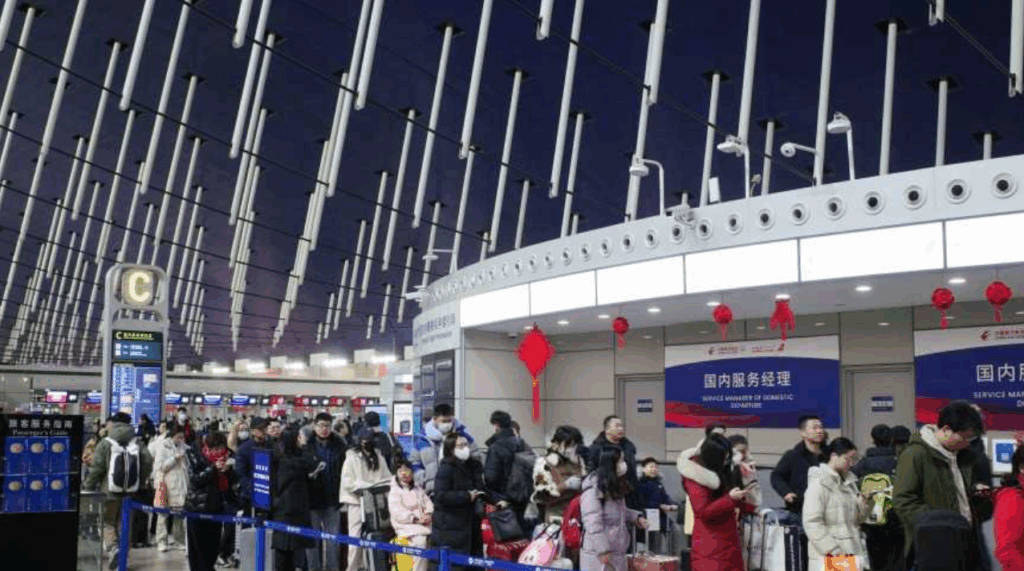
According to statistics from the Erenhot Border Inspection of the Inner Mongolia, on August 9, the station processed a total of 13,928 entry-exit person-times, setting a new single-day record.
For example, Shenzhen has a population of approximately 17.6 million, and its airport set a single-day passenger record of 180,000 in 2025. By contrast, Erenhot, a small border city with only 70,000 people, receives a single-day volume of cross-border travelers equivalent to more than one-seventh of its total urban population.
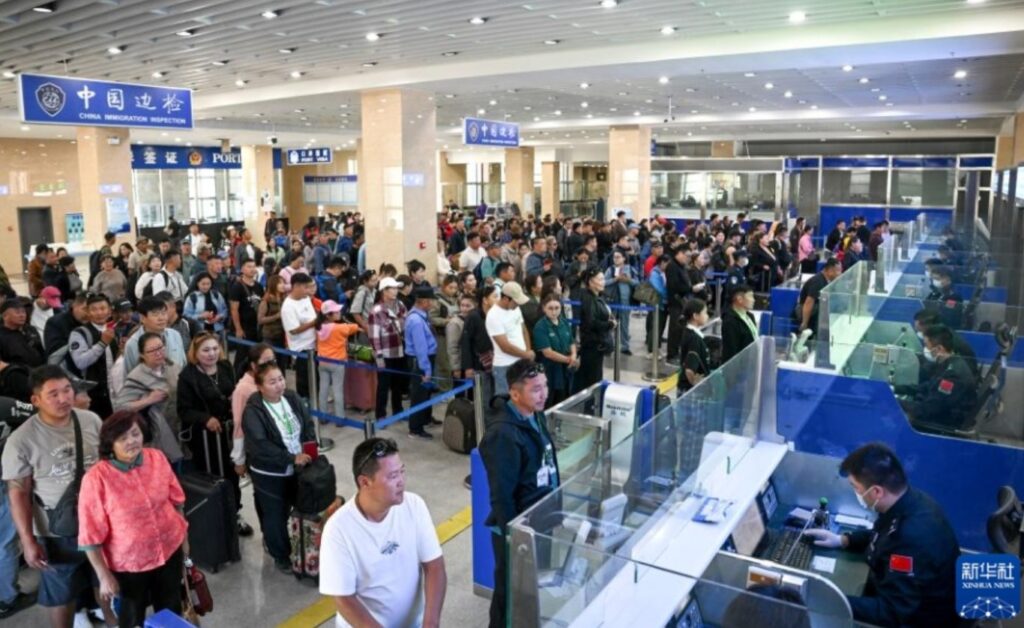
Admittedly, although great expectations are placed on Erenhot’s tourism industry, its scale cannot compare with megacities like Beijing or Shenzhen. However, it is rare to find a place like Erenhot — small in scale, yet possessing vast natural landscapes and local community charm that big cities lack, while demonstrating its unique value from a global perspective. The future and charm of this unique border town, Erenhot, lie precisely here.
reference:单日验放出入境人员13928人次 二连 – 央视新闻
Russia Visa-Free Policy from September 2025
From September 2025, Russian passport holders will receive one month of visa-free entry. This applies to business, tourism, family visits, and exchange programs.

Since Russian citizens also do not need a visa to enter Mongolia, the number of Russian tourists traveling via Arhangelsk to Ulaanbaatar is expected to increase.
Construction Drives Demand for Materials and Labor
Mongolia’s rapid urbanization and construction boom are also driving labor to gather in Erenhot. China has experienced construction companies and abundant resources. As a result, most major construction projects in Mongolia are being undertaken by Chinese companies as international cooperation projects.
Workers on these projects typically stay together in Erenhot for several days. Demand for Erenhot’s accommodation industry is expected to keep growing.
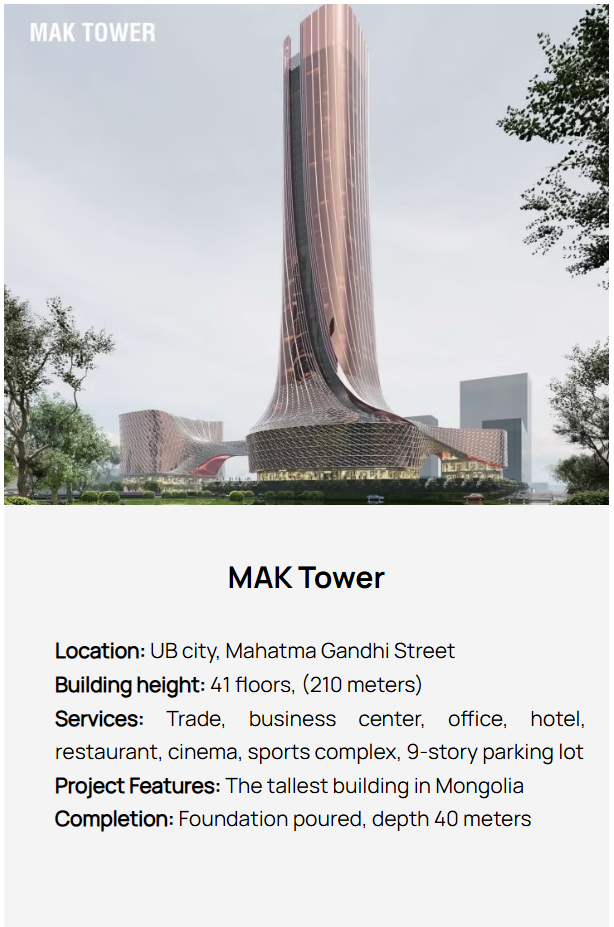
| The MAK project is expected to become not only a landmark of Mongolia’s urbanization but also a physical symbol of the China-Mongolia strategic partnership. China Construction Sixth Engineering Bureau, Chuanbei Xiaogang Structure, and other companies are jointly advancing this major project with a total investment of 110 million USD. |
China-Russia Natural Gas Pipeline Project
Notably, on September 2, 2025, China and Russia reached a cooperation agreement to build the new “Power of Siberia 2” natural gas pipeline. This will be an important variable affecting Erenhot’s future economic development. Previously, the “Power of Siberia” pipeline was already in operation between China and Russia.
[Power of Siberia 2 Promotional Video]
The Power of Siberia 2 pipeline, approximately 6,000 kilometers long, is one of the largest pipeline projects in the world. It runs from Yamal in northern Siberia through Mongolia to Inner Mongolia, China.
Although the final route has not yet been announced, once completed, it is expected to supply up to 50 billion cubic meters of natural gas per year.
[Power of Siberia 1 Natural Gas Pipeline]
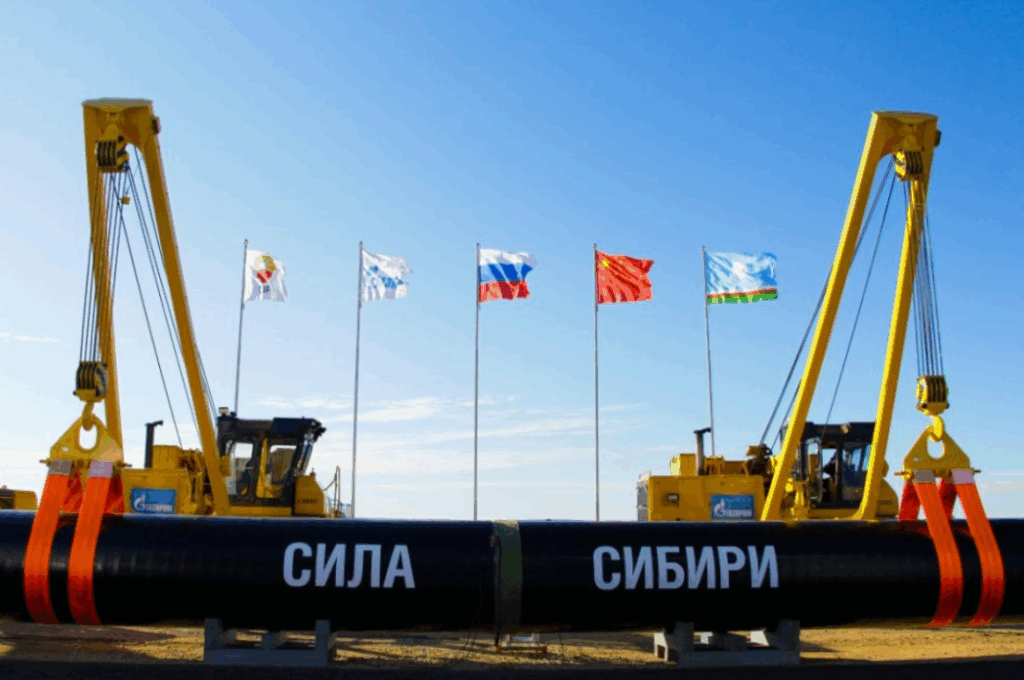
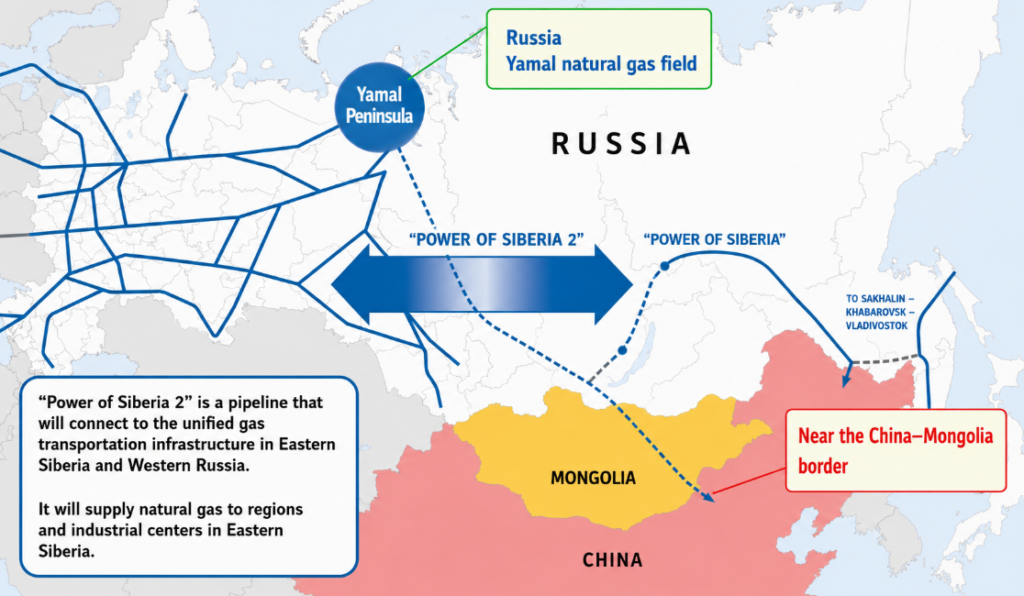
To realize this massive national-level project, mobilizing large construction equipment and labor from Russia and Mongolia is essential. Although the exact route has not been announced, it is almost certain that Erenhot will play an important role in this mega-project.
Summary of Erenhot’s Development Prospects
In summary, Erenhot is gradually recovering from the pandemic downturn and showing signs of revival.
As a border port city deeply influenced by the economies and cultures of Mongolia and Russia, it is charting a unique development path — a “small but resilient, focused and refined” model, creating a new paradigm for high-quality development in small inland border cities.
[Erenhot Port Entry-Exit Corridor]
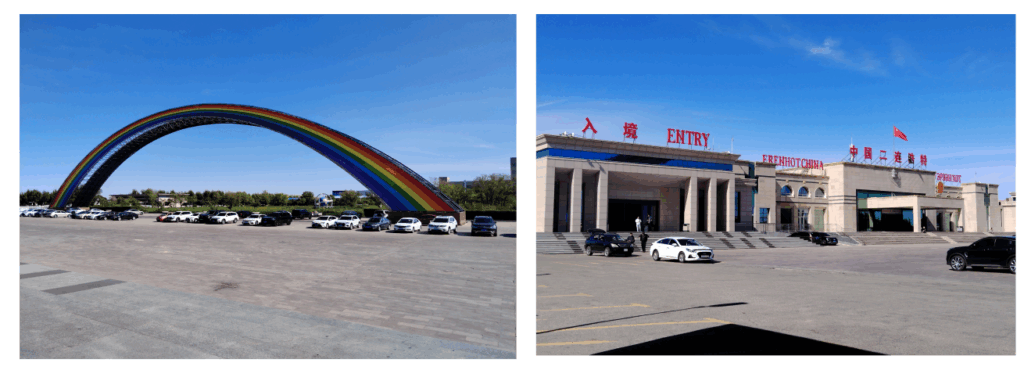
The key elements of Erenhot’s development can be summarized in the following three points.
Three Key Elements of Erenhot’s Development
- Building a China-Mongolia-Russia economic and trade corridor
Serving as a cross-border trade hub for natural gas, mineral resources, construction materials, equipment, and professional talent - Creating a renewable energy development demonstration zone
Promoting large-scale implementation of wind, solar, and other new energy projects around Erenhot - Promoting tourism and livable ecological construction
Establishing special tourism routes and support service systems connecting China, Russia, and Mongolia
Based on these three elements — geographical location advantage, geopolitical value, and tourism industry potential — Erenhot is expected to develop unique new momentum for economic growth.
In addition, although not detailed in this chapter, the next chapter will focus on the global wave of expanding AI data center construction and the long-term stay demand for “workcations” derived from remote work, with an in-depth analysis of their integrated development with border port cities.
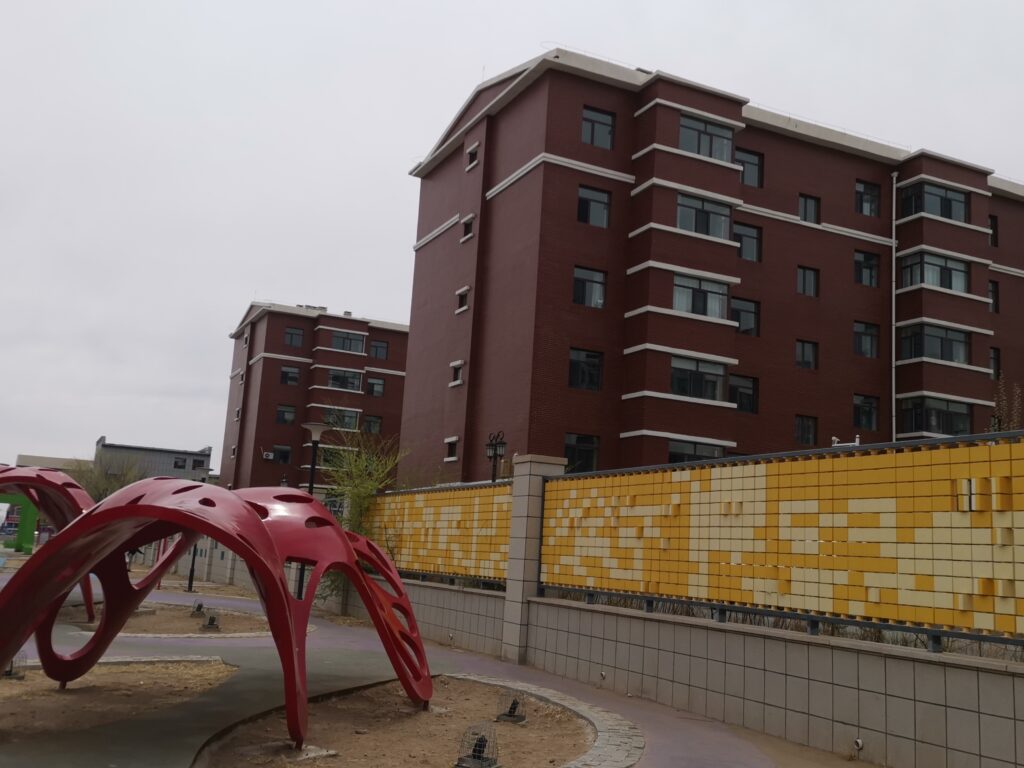
If Erenhot continues to strengthen its strategic position as a key hub between China, Mongolia, and Russia and as a specialized small city, then in this period just after the economic downturn, purchasing real estate does have significant investment value and strategic meaning.
To be continued (Part 2)…
